Blog
Tips on menstrual health, cycle tracking, and guides on how to use Femora.
Page 3 of 8

The Menopause Journey: Common Symptoms and What to Expect
Menopause is a journey through three stages, not a single event. Here are the most common symptoms - from hot flashes and brain fog to joint pain - what causes them, how long they last, and when to get help.
Starting HRT: What to Expect With Estrogen-Only, Progesterone, and Combination Therapy
Starting HRT? Here is what the first weeks and months actually feel like - the difference between estrogen-only, progesterone, and combination HRT, which side effects settle, and when the benefits arrive.
What Are the Risks of HRT? What the Evidence Actually Shows
HRT's risks are real but widely misunderstood. Here is what the evidence shows about breast cancer, blood clots, stroke, and heart disease on HRT - in absolute numbers, not scary headlines - and who should avoid it.
What Are the Risks of NOT Using Hormone Therapy?
Every HRT conversation covers the risks of taking it - almost none cover the risks of not taking it. Here is what untreated menopause can cost: bone loss, heart changes, progressive vaginal symptoms, and years of disrupted sleep and mood.
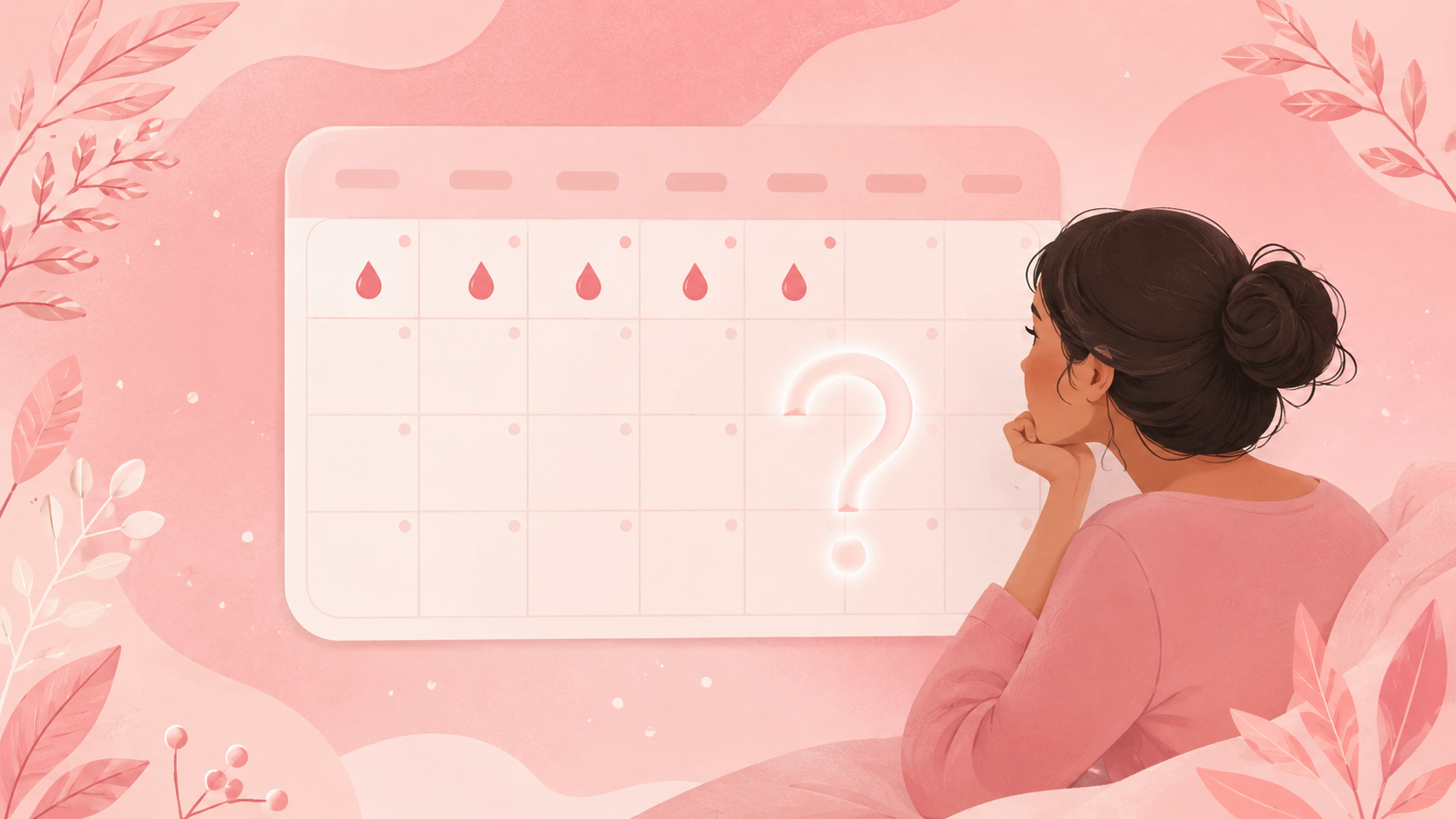
Can You Get Pregnant on Your Period? Yes - Here Is How
Pregnancy from sex during your period is unlikely but absolutely possible, especially with short or irregular cycles. Here is the biology, who is most at risk, and what it means for you.
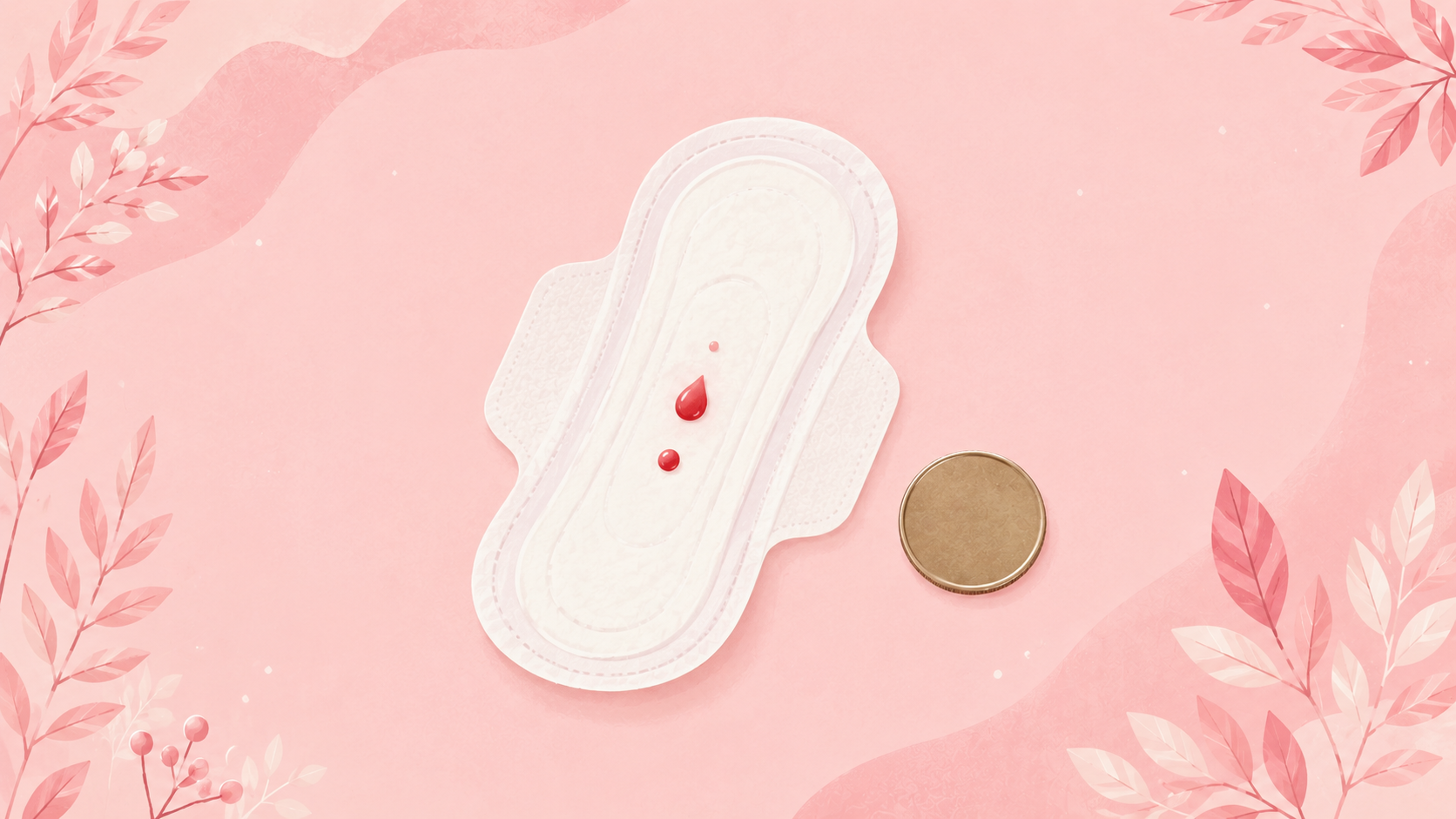
Period Blood Clots: What Is Normal and When to Worry
Small clots on heavy days are a normal part of menstruation. Clots bigger than a quarter, passed regularly, are a sign of heavy bleeding worth investigating. Here is how to tell the difference.
How to Make Your Period Come Faster: What Works and What Does Not
Vitamin C, pineapple, parsley tea - most 'induce your period' tricks have no evidence behind them. Here is the honest list: the one method that reliably works, the maybes, the myths, and the unsafe ones.
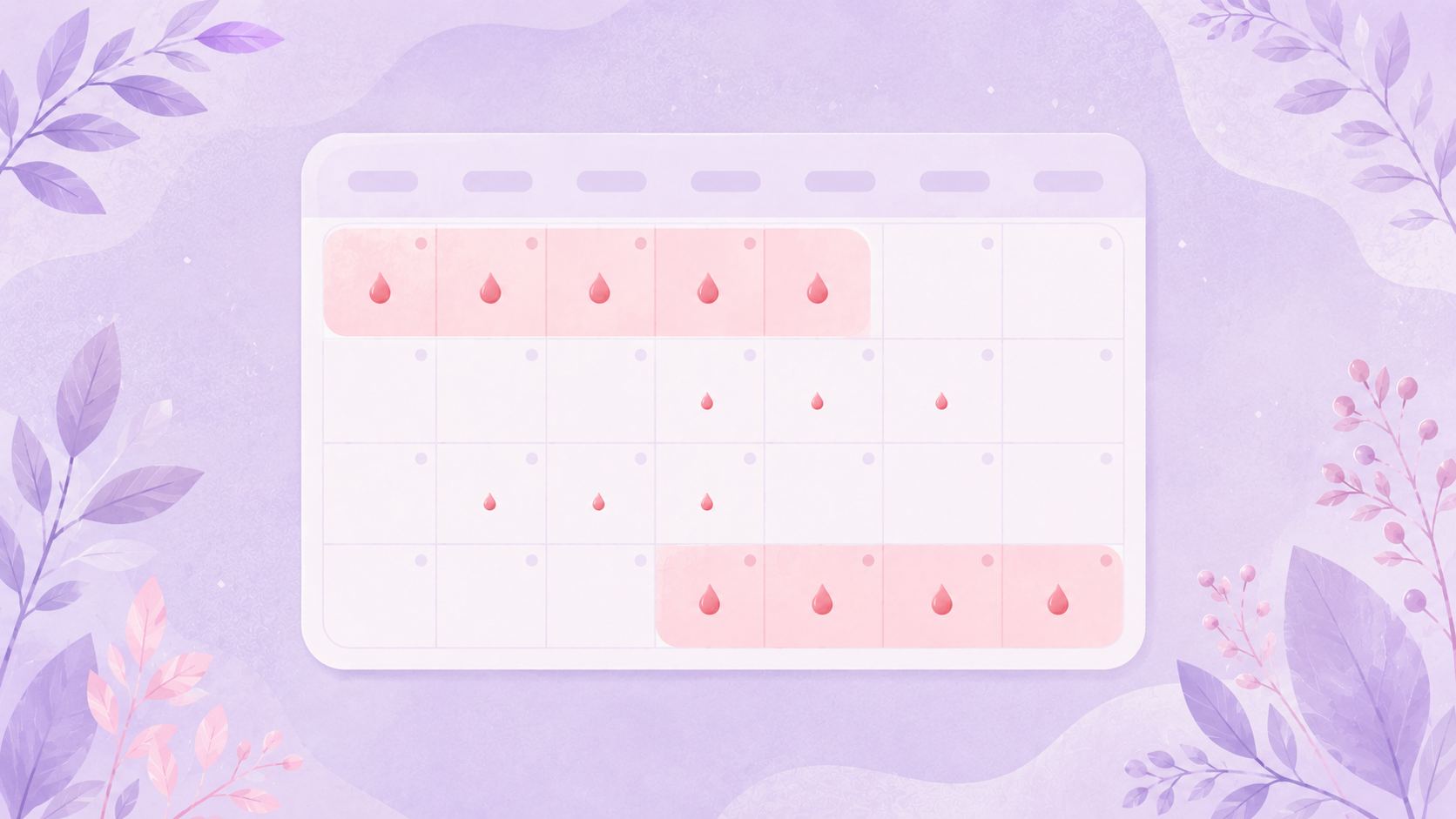
Spotting Between Periods: 9 Causes and When to See a Doctor
Light bleeding between periods is common and usually benign - ovulation, new birth control, or hormonal shifts. But some causes need a checkup. Here are the 9 most likely explanations, decoded.

Sore Breasts Before Your Period: PMS or Early Pregnancy?
Breast tenderness before a period and in early pregnancy feel frustratingly similar. Here is what causes cyclical breast pain, the subtle differences, and when a test will actually settle it.
Period Cramps but No Period? 8 Reasons for Cramps Without Bleeding
Cramping when your period has not arrived can mean ovulation, early pregnancy, a stress-delayed cycle, or something that needs a checkup. Here are the 8 most likely causes and how to narrow them down.
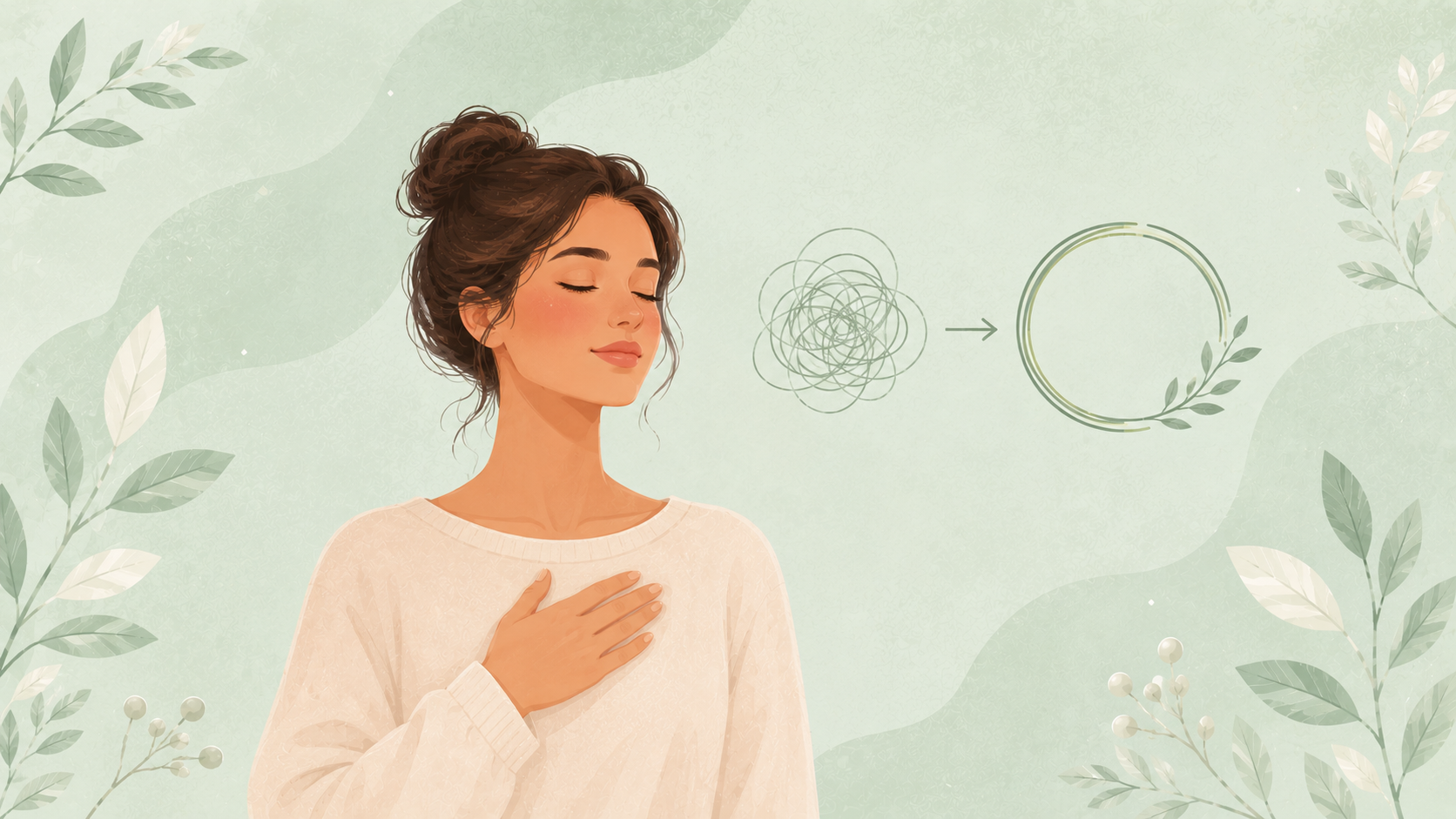
Can Stress Delay Your Period? How Stress Changes Your Cycle
Yes - stress hormones can postpone ovulation, which postpones your period, or skip it entirely. Here is the mechanism, how much delay is typical, and how to tell stress apart from other causes.
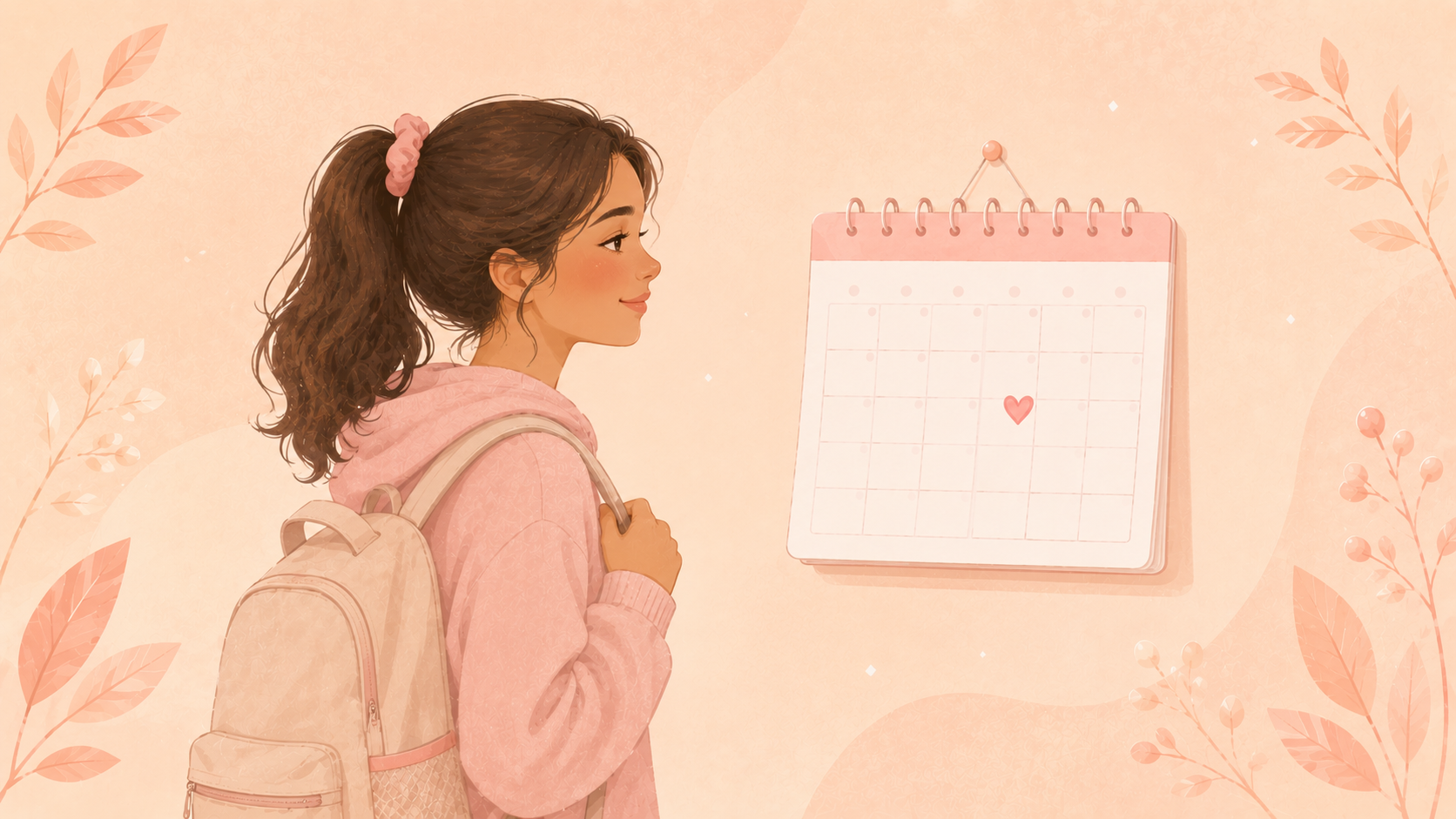
Your First Period: Signs It Is Coming and What to Expect
Most first periods arrive between ages 10 and 15, about two years after breasts start developing. Here are the signs it is close, what the first period is actually like, and when to check with a doctor.