Spotting Between Periods: 9 Causes and When to See a Doctor
Occasional light spotting between periods is usually harmless - ovulation spotting, breakthrough bleeding on new birth control, or a missed pill are the most common causes. See a clinician if spotting happens most cycles, follows sex, comes with pain or unusual discharge, or if you have any bleeding after menopause.
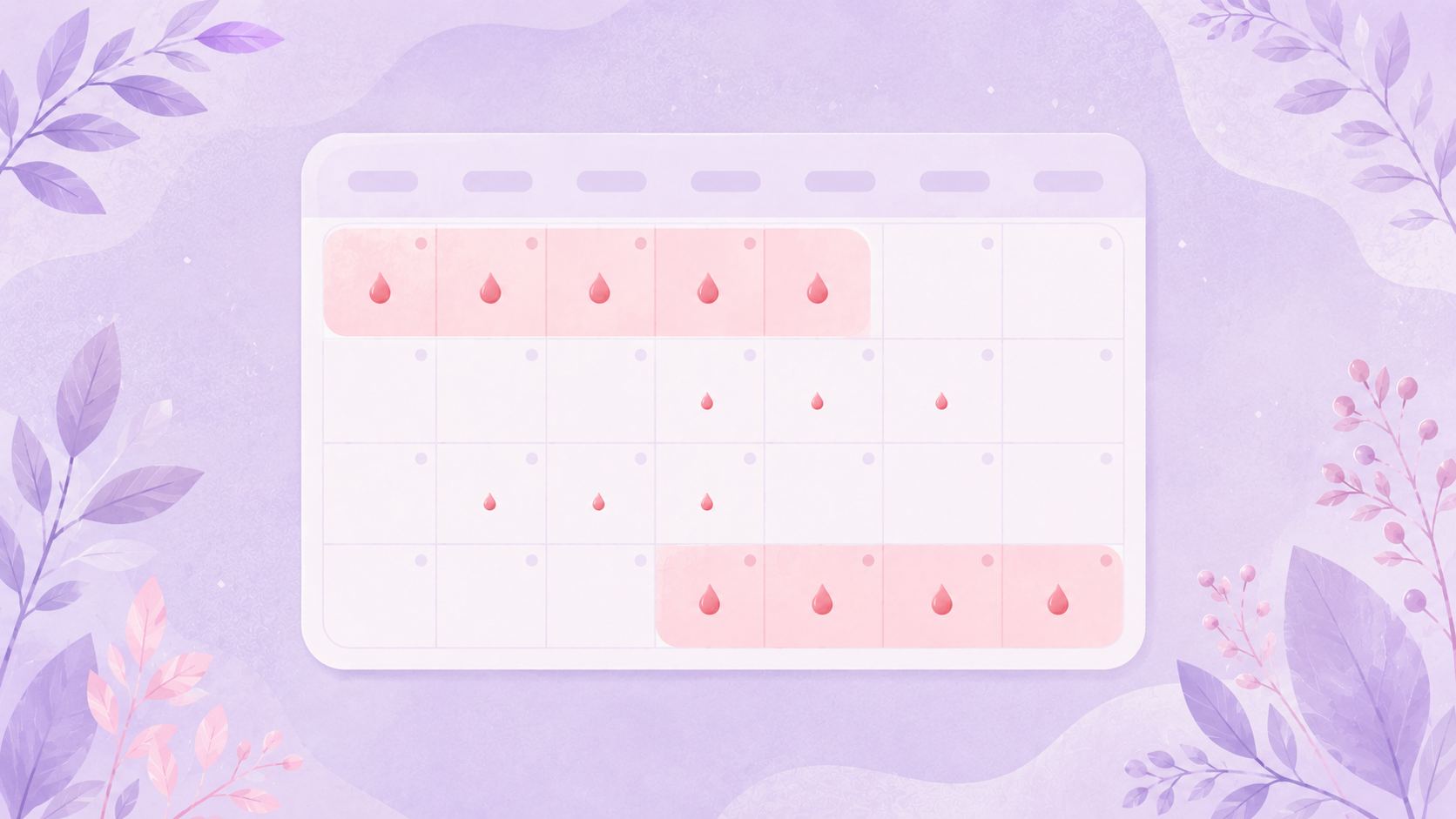
A few spots of blood when your period is not due sends a lot of people straight to a search bar. The reassuring truth: most intermenstrual bleeding has a benign, identifiable cause. The important truth: a few causes need a professional look. Here is how to think it through.
First, what counts as spotting?
Spotting is light bleeding that does not need a pad or tampon - streaks on toilet paper, a few drops in underwear, often pink or brown rather than red. (Our period blood color guide decodes the colors.) Bleeding heavy enough to need protection, at a time your period is not due, is "bleeding between periods" and moves you further down this list.
The 9 most common causes
1. Ovulation spotting
A small dip in estrogen right around egg release causes light spotting in some people, mid-cycle, lasting a day or two. It coincides with fertile signs like egg-white cervical mucus. Harmless - and useful data if you are tracking ovulation.
2. Hormonal birth control settling in
Breakthrough bleeding is extremely common in the first 3 months of a new pill, patch, ring, implant, hormonal IUD, or injection. It usually fades as the lining adjusts. If it persists past 3 to 6 months, your prescriber can often fix it with a different dose or formulation.
3. Missed or late pills
A gap in hormones is a classic spotting trigger - and depending on the gap, a contraception risk. Our missed pill calculator shows what a missed dose means for protection.
4. Implantation bleeding
Light spotting about 10 to 14 days after conception, sometimes mistaken for an early period. If your spotting arrives around when a period was due, and your period then does not show, take a test. Full comparison in implantation bleeding vs a period.
5. Perimenopause
Cycles in the years before menopause get erratic - shorter, longer, heavier, lighter, with spotting in between. Our perimenopause guide covers what is expected and what is not.
6. Hormonal conditions
PCOS and thyroid problems both disrupt ovulation; skipped ovulation means the lining sheds irregularly, producing unpredictable spotting. Worth investigating if spotting comes with irregular cycles, since both are manageable once diagnosed.
7. Infections
Chlamydia, gonorrhea, trichomoniasis, and pelvic inflammatory disease can all cause spotting - classically after sex - plus discharge changes or pelvic pain. STI screening is quick and definitive; do not sit on this one.
8. Cervical or endometrial polyps
Benign growths with fragile surface vessels that bleed easily, especially after sex. Usually simple to see on exam or ultrasound and simple to remove.
9. Fibroids and adenomyosis
Both can cause bleeding between periods on top of heavier periods - see our guides to fibroids and adenomyosis.
When to see a clinician
Book an appointment if spotting:
- Happens most cycles rather than as a one-off
- Follows sex repeatedly
- Comes with pelvic pain, fever, or unusual discharge (our discharge decoder helps triage)
- Arrives with a late period and pregnancy is possible - test first
- Is heavy enough to need a pad when no period is due
And one absolute rule: any bleeding after menopause (12+ months without a period) needs prompt medical review. It is usually benign, but it is the classic early symptom of endometrial cancer, and early detection makes an enormous difference.
How Femora helps
The single most useful thing you can bring to a doctor about spotting is a pattern: which cycle day it happens, how often, how heavy, what it follows. Femora lets you log spotting alongside flow, symptoms, and notes, so mid-cycle spotting that always lands on day 14 (ovulation - fine) looks visibly different from random spotting after sex (get checked). The free Menstrual Cycle Calculator shows where any given day falls in your cycle.
The bigger picture
Spotting between periods is a symptom with a long benign tail and a short serious one. Occasional, patterned, painless spotting is usually your hormones doing normal things. Frequent, post-sex, painful, or postmenopausal bleeding is your body asking for an appointment.
Want your spotting to come with context? Download Femora.
Sources
- What To Know About Bleeding Between Periods - Cleveland Clinic.
- Vaginal bleeding between periods - MedlinePlus, U.S. National Library of Medicine.
- What causes bleeding between periods? - NHS.