Pelvic Inflammatory Disease (PID): Symptoms, Causes, and Why Early Treatment Matters
Pelvic inflammatory disease (PID) is an infection of the uterus, fallopian tubes, or ovaries, most often caused by untreated chlamydia or gonorrhea. Symptoms include lower belly pain, unusual discharge, pain during sex, and bleeding between periods - but it can also be silent. Prompt antibiotics cure the infection and dramatically reduce the risk of scarring, ectopic pregnancy, and infertility.
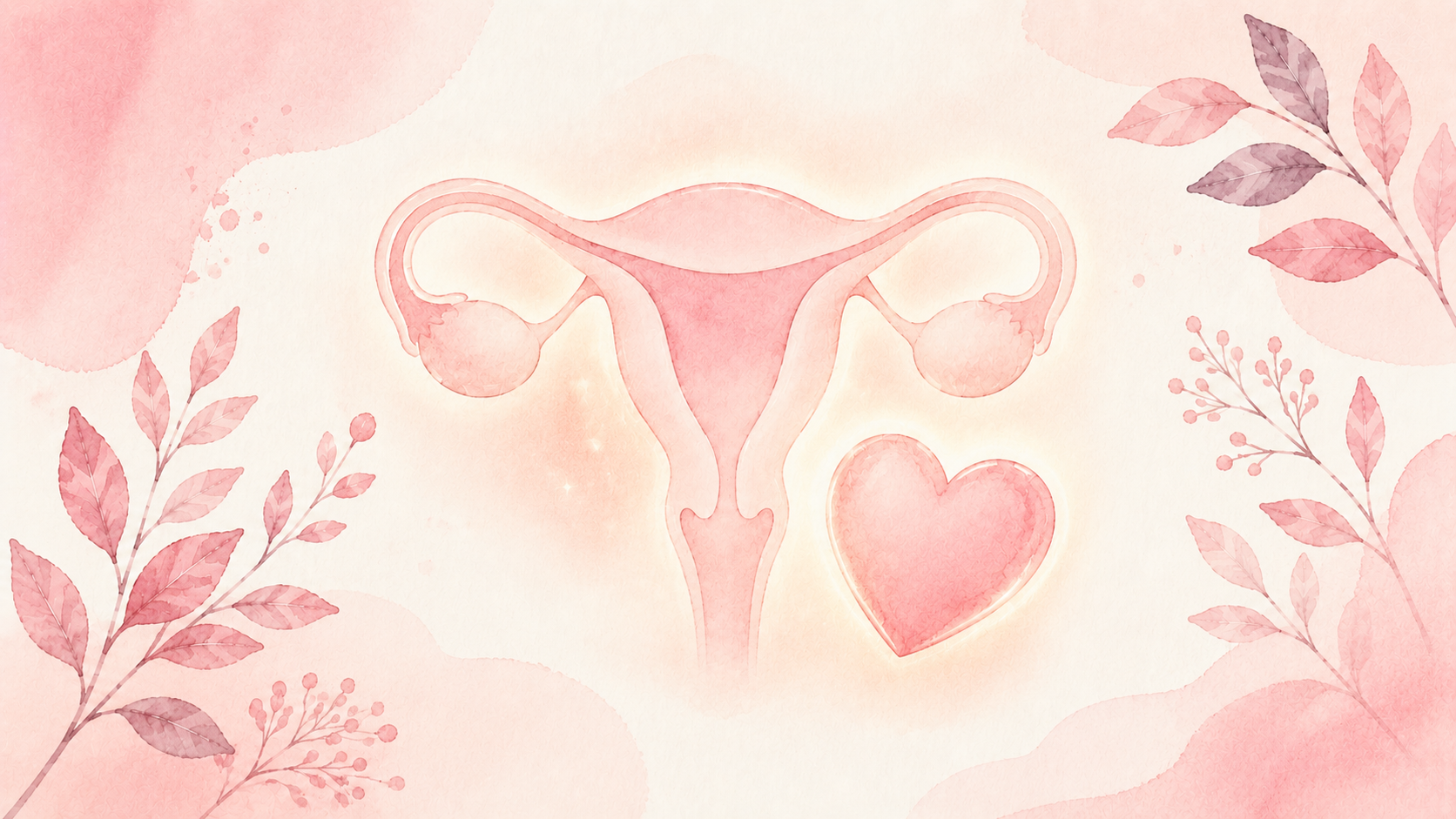
Pelvic inflammatory disease is one of those conditions where timing changes everything. Treated promptly, it is usually cured with a course of antibiotics and leaves no lasting damage. Left untreated - often because it caused no symptoms, or mild ones that were easy to dismiss - it can quietly scar the fallopian tubes and affect fertility for good.
That makes PID worth understanding even if you feel fine right now, especially because its most common causes are infections that are themselves frequently symptomless.
What PID actually is
PID is an infection that has moved upward - from the vagina and cervix into the uterus, fallopian tubes, or ovaries. The cervix normally acts as a gatekeeper; PID happens when bacteria get past it and inflame the upper reproductive tract.
The most common culprits are untreated chlamydia and gonorrhea - together they account for a large share of cases. But PID is not exclusively an STI story: it can also arise from ordinary vaginal bacteria (including those associated with bacterial vaginosis) that ascend after the cervical barrier is disturbed. It occasionally follows childbirth, miscarriage, abortion, or - rarely, mostly in the first few weeks - IUD insertion.
Two points worth stating plainly, because stigma delays care: PID is common (the CDC estimates that more than 1 million people in the US are treated for it each year), and having it says nothing about you - it is a bacterial infection with effective treatment, full stop.
The symptoms to know
PID symptoms range from severe to barely noticeable. The classic ones:
- Pain in the lower belly or pelvis - the most common symptom, often a dull, persistent ache on one or both sides
- Unusual vaginal discharge - often heavier, yellow or green, sometimes with an unpleasant smell (our guide to what discharge color means covers the full spectrum)
- Pain during or after sex, especially deep pain
- Bleeding between periods or after sex - one of several possible causes of bleeding between periods
- Pain or burning when urinating
- Heavier or more painful periods than usual
- Fever and chills in more severe cases
Severe symptoms - intense pelvic pain, high fever, vomiting, or feeling very unwell - need same-day care. That picture can also mean an abscess or an ectopic pregnancy, both emergencies.
Why PID is often silent
Here is the difficult part: many cases cause no symptoms at all, or symptoms so mild they are attributed to a rough period or a stomach bug. Chlamydia, the leading cause, is itself symptomless in most women. The infection can smolder in the tubes for weeks or months, doing gradual damage without announcing itself.
This is why some women first learn they had PID years later, during fertility investigations that find tubal scarring. And it is exactly why screening matters: routine chlamydia and gonorrhea testing catches the causes of PID before they become PID.
How PID is diagnosed
There is no single definitive test. A clinician will typically:
- Take a history and do a pelvic exam - tenderness of the cervix, uterus, or ovaries during the exam is a key sign
- Take swabs to test for chlamydia, gonorrhea, and other infections (a negative swab does not rule PID out - the bacteria may already have moved upward)
- Check urine and blood for signs of infection and to rule out pregnancy
- Sometimes order an ultrasound to look for inflamed tubes or an abscess
Because the consequences of missed PID are serious and treatment is safe, clinicians deliberately set a low threshold for treating: if the picture fits, treatment usually starts before test results are back.
Treatment: prompt antibiotics, and partners too
- Antibiotics - usually a combination covering several types of bacteria, typically for 14 days, sometimes starting with an injection. Most people can be treated at home; severe cases or abscesses may need hospital care and IV antibiotics.
- Finish the full course, even when you feel better after a few days - stopping early risks partial treatment and relapse.
- Recent sexual partners need testing and treatment as well, even if they have no symptoms - otherwise reinfection is likely. Clinics can help notify partners anonymously if that feels difficult.
- Avoid sex until you and your partner have both completed treatment.
- Follow up - clinicians usually want to confirm within a few days that symptoms are improving; if not, the diagnosis and treatment get another look.
Treatment cures the infection. What it cannot do is reverse scarring that has already formed - which is the entire argument for speed.
What happens if PID goes untreated
The complications come from inflammation turning into scar tissue:
- Blocked or scarred fallopian tubes, which can prevent eggs from traveling to the uterus - PID is one of the leading preventable causes of infertility. Roughly 1 in 10 women with PID experience infertility afterward, and the risk climbs with repeated episodes.
- Ectopic pregnancy - a scarred tube can trap a fertilized egg, causing it to implant there. Ectopic pregnancies are life-threatening emergencies, and prior PID raises the risk severalfold.
- Chronic pelvic pain lasting months or years, from scarring and adhesions.
- Tubo-ovarian abscess - a collection of pus needing urgent hospital treatment.
One episode, promptly treated, usually leaves fertility intact. The danger multiplies with delayed treatment and repeat infections - each episode roughly doubles the risk of tubal damage.
Prevention and screening
- Condoms substantially reduce the risk of the STIs that cause most PID.
- Get screened - annual chlamydia and gonorrhea testing is recommended for sexually active women under 25, and for anyone with new or multiple partners. Screening is quick, often just a urine test or self-swab.
- Test before changes - checking in after a new partner protects both of you.
- Do not douche - douching disrupts the vaginal flora and is associated with higher PID risk.
- Treat vaginal infections like bacterial vaginosis when they cause symptoms, and complete any STI treatment fully.
When to seek care
See a clinician promptly, within days if you have pelvic pain plus unusual discharge, bleeding between periods, pain with sex, or urinary burning. Seek urgent same-day care for severe pelvic pain, fever above 101F (38.3C), vomiting, fainting, or if you are pregnant or could be. And if a partner tells you they tested positive for chlamydia or gonorrhea, get tested and treated even if you feel completely fine - that single step prevents most PID.
Tracking helps here too: knowing what your normal discharge, cycle, and pain patterns look like makes the deviations obvious weeks earlier.
This is general information, not a substitute for advice from your own clinician. Download Femora to track your cycle, discharge, and pain patterns so changes stand out early.
Sources
- Pelvic inflammatory disease - NHS.
- About Pelvic Inflammatory Disease (PID) - Centers for Disease Control and Prevention (CDC).
- Pelvic Inflammatory Disease (PID) - American College of Obstetricians and Gynecologists (ACOG).
- Pelvic inflammatory disease (PID) - Symptoms and causes - Mayo Clinic.
- Pelvic inflammatory disease - Office on Women's Health (HHS).